
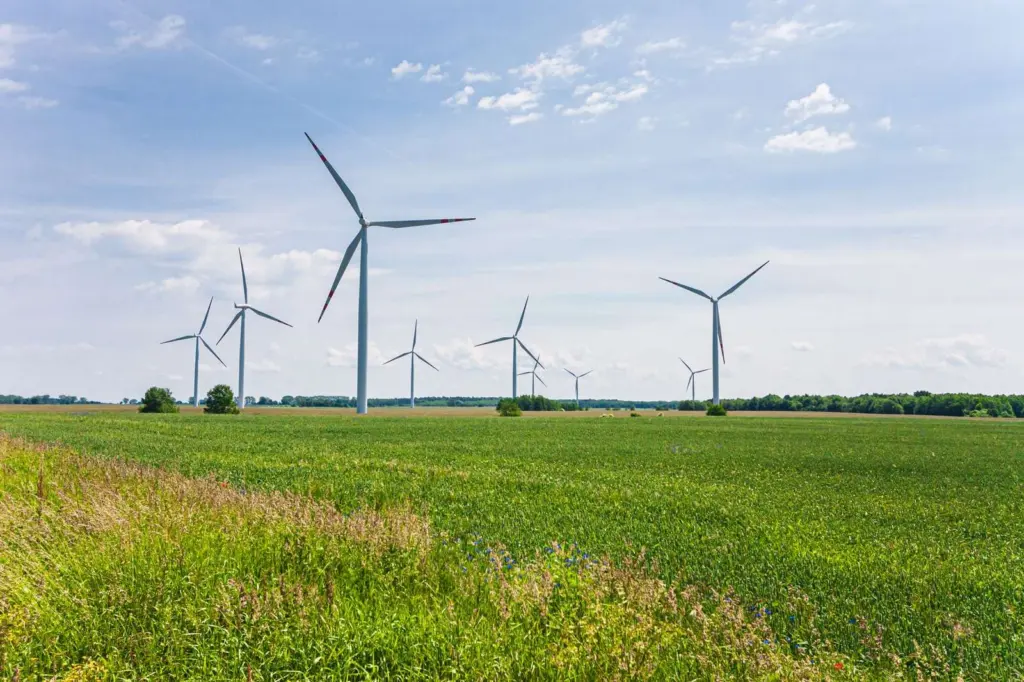
An energy hackathon is a time-boxed event where teams build prototypes, apps or analyses around power, heat, transport or efficiency, usually starting from open data and challenges set by utilities, researchers or communities.
The remote-first format spread widely during the pandemic, as the covid-19 hackathon hub guide explains, and energy themes were among the topics that carried it forward. This page looks at how these events are built and what they produce.
What an energy hackathon covers
Energy is a broad theme, so organisers usually narrow it into challenges. A Swiss event, for example, grouped its work into two themes, as its page puts it: predictions with machine learning, such as heat demand of district heating, power curves of wind turbines, anomalies in smart-meter data and failures of transformers, and the visualisation of energy data. The same edition added challenges on the charging behaviour of electric cars and the cheapest charging station nearby.
That spread shows the usual shape of the topic. Some challenges are about forecasting and detection, which suit people who work with data and models. Others are about presenting energy information so that households and small organisations can act on it, which suits designers and front-end developers. A third group is about the physical side, such as hardware, metering or microgrid control, and these are harder to attempt in a weekend without prepared kit or data.
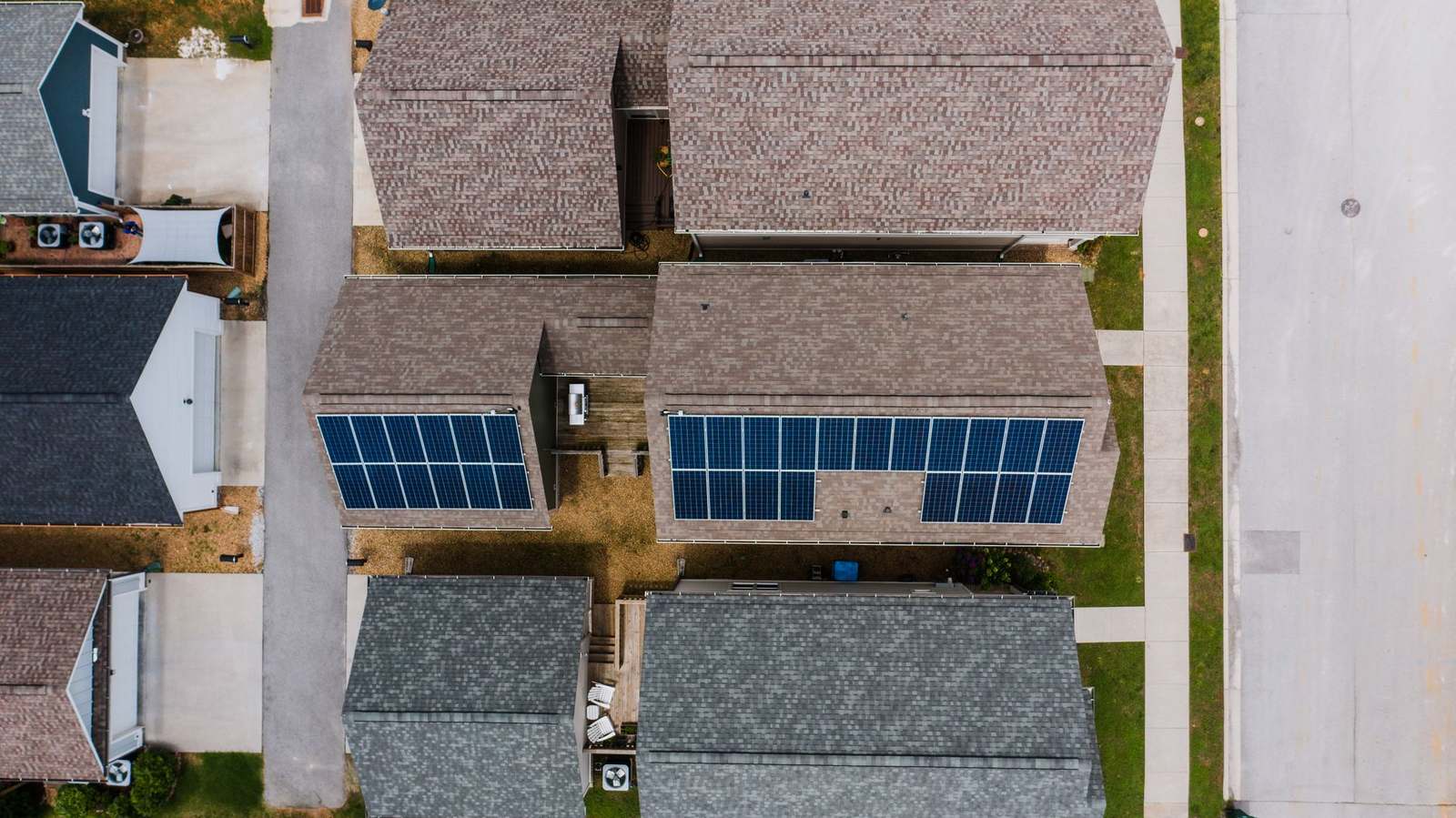
Because the subject touches households, local networks and public policy, energy events often overlap with the work described in the guide to a civic hackathon, where residents and institutions build tools together.
Open data is the raw material
Almost every energy event depends on a dataset. The Open Knowledge Foundation Germany describes its Energyhack project as a hackathon around open energy data in which participants brainstorm ideas, design and develop prototypes in 24 hours. The same page notes that the data from the Open Data Portal Netzdaten-Berlin was available to the participants as a database, which is the pattern organisers aim for: one agreed source that every team can load on the first morning.
For teams that need a starting point, the Open Energy Information wiki keeps a page titled Energy Hackathon Resources (Data, APIs, Examples) for Cleanweb Hacks and Energy Mashups. It collects links to energy datasets, web services for utility rates and incentives, and a section on Green Button data, a format used for sharing consumption records.
Open data does not remove the need to check what a dataset describes. Smart-meter and charging-point records can relate to identifiable households, so organisers and teams need to decide what is stored, what is shared and what is deleted at the end of the event. The principle of data minimisation applies directly: collect and keep only what a prototype needs.
Examples from past events
Documented events are the quickest way to see how the format varies. Each entry below is reported from the organisers’ own pages or from press coverage.
- Energy Data Hackdays (Switzerland). Organised by Opendata.ch with regional partners and postponed from March because of the pandemic, the edition was held on site with a safety plan. According to the event page, around 80 participants worked at the Technopark and seven more online, and for 32 hours teams developed solutions to challenges posed by utilities, universities and research institutes.
- Energyhack (Berlin). The 24 hours format described above, built on the Netzdaten-Berlin open data portal and aimed at developers, designers and researchers working with thought leaders from the energy industry.
- Energia Tech (Occitanie, France). A press report states that in 2020 the first edition took place in Montpellier, where 118 participants had gathered, representing each of the 10 projects selected after the first selection phase. The same report says the programme was built around six themes: measuring, producing, distributing, planning, valuing and saving renewable energy.
- European Youth Energy Communication Hackathon. Part of the EU Sustainable Energy Week, this online event invited participants aged between 18 and 34 years old to form teams of two to five and develop communication solutions for renewable sources of energy and energy efficiency.
- MIT Energy and Climate Hack. The university-based event publishes results by year, and its page for the 2021 edition lists the theme as Reaching Net Zero, along with winners and themed challenge prizes.
The range matters. One event is a data-science weekend, another is an educational programme run by an energy company with regional backing, and another is a communications challenge aimed at young people. The label is the same; the skills and outputs are not.
Community renewable projects
Community renewable projects, where neighbours share generation, storage or purchasing, suit hackathon work because their problems are often about information rather than engineering. Who is producing how much, who is using it, and how are costs shared?
The Occitanie event offers a concrete case. Its first edition included a project described as making energy communities attractive and affordable to encourage their emergence, alongside projects on geothermal potential, an educational video game and the management of microgrids.
The same theme appeared at the earlier Hack from Home online series. A web archive snapshot of its news page records that its Expert Stage, a programme of talks and workshops, closed its Saturday sessions on May 15 with Daniel Schwab, CEO of Brightmerge, on the benefits of integrating personal data into local renewable energy communities. The pairing of personal data and local energy is a useful reminder that community projects depend on household information, and that handling it well is part of the design.
Designing good energy challenges
Organisers who want useful results tend to apply a few habits that carry across themes.
- Name a real problem owner. Challenges posed by a utility, a researcher or a community group give teams someone to ask questions of, and give judges a way to assess usefulness.
- Prepare the data in advance. A clean extract with a short description of each field saves the first half-day, and a documented sample lets teams start before the event opens.
- Keep scope realistic. A forecast for a single building or a dashboard for one dataset can be finished and demonstrated; a full market platform cannot.
- Plan for after the event. Prototypes fade unless someone has agreed to take them further, a topic covered in the guide on turning a prototype into a lasting project.
Getting started as a participant
Newcomers do not need an engineering background. Analysts, designers, writers and community organisers all find roles on energy teams, because every project needs someone to explain the problem and someone to explain the result. The checklist in the hackathon for beginners guide covers the practical steps of choosing a team, setting a small goal and preparing a short demo.
Before committing to an event, read the organiser’s rules on data use, intellectual property and eligibility. Some events limit entry by age or affiliation, as the youth event above does, and the rules differ from one organiser to the next. This site is an independent editorial guide: it does not run events or take registrations, so entry questions go to the organiser named on each event’s own page.
Frequently asked questions
What is an energy hackathon?
It is a short, intensive event where teams create prototypes, analyses or apps on energy topics such as renewables, efficiency, grids or electric vehicles, often using open data.
Do I need to be an engineer to take part?
No. Data skills, design, writing and community knowledge are all useful, since teams need to frame the problem and present the result as well as build it.
Where does the data for these events come from?
Organisers often use open data portals, utility partners or research institutes. The Energyhack project in Berlin, for instance, used the Netzdaten-Berlin open data portal as its database.
Are energy hackathons only held in person?
No. Some are on site, some are online, and some mix both. The Swiss edition described above had participants both at the venue and online, and the youth communication hackathon ran fully online.