
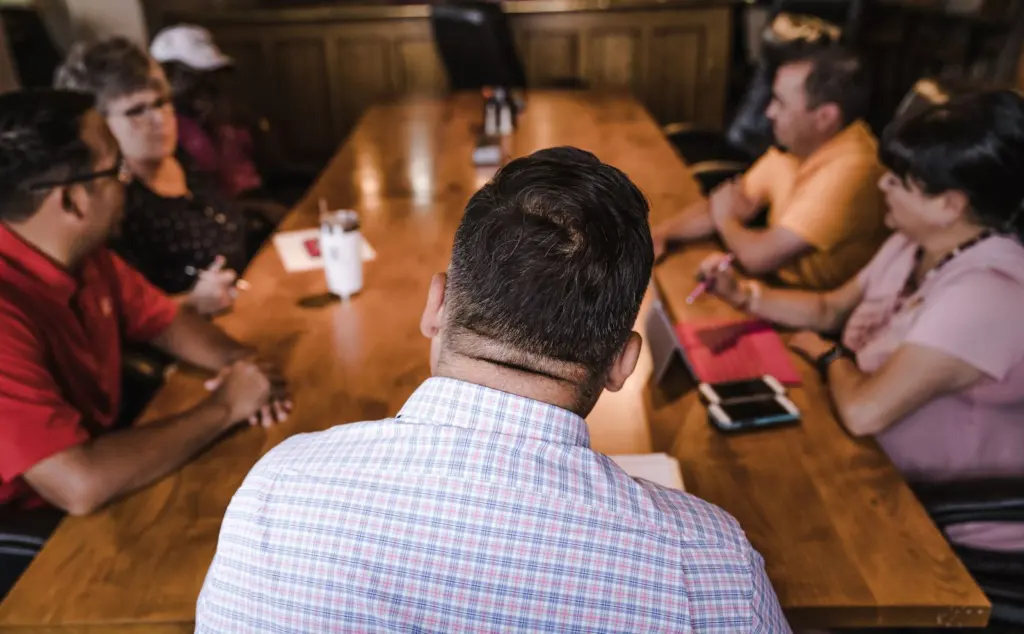
A civic hackathon is a short, focused event where technologists and people who know local public problems build tools for their city together. This guide explains how these events work and what happens after them.
It is an independent editorial guide, not an organiser or sponsor of any event described here. For the pandemic-era story that frames many online events, see the hub on the covid-19 hackathon.
What a civic hackathon is
The word “hackathon” suggests code, but the civic version is wider. San Francisco State University’s hackathon pages describe a civic hackathon as an event where people who know technology come together with people who know urban issues, such as city staff, local organizations, community members and leaders, to build solutions that matter to a city. The mix is the point: developers alone rarely know which service is broken, and residents alone rarely have the time to build software.
Case Western Reserve University’s xLab made a similar observation when it reported on a city event in Ohio. In its write-up, the school’s xLab team noted that a hackathon is a relatively new concept and is not strictly defined by computer hacking and coding. It described the format as a working conference in which participants are organised into teams to develop a solution to a community-wide problem. That framing explains why a civic event can attract designers, teachers, business owners and students as readily as programmers.
The same idea runs through the term “civic hacker”. An Opensource.com piece from the run-up to a national event put it this way: a civic hacker is someone who uses a minimum of resources and a maximum of brainpower and ingenuity to build, repair, or enhance something in their community. Nothing in that definition requires a computer science degree. It describes an attitude toward public problems: fix the part you can reach, and share the fix.
Who takes part and what they build
Civic hackathons draw a deliberately mixed crowd. The San Francisco State pages list engineers, technologists, civil servants, scientists, designers, artists, educators, students and entrepreneurs, and add that anybody willing to collaborate qualifies, using publicly released data, code and technology to solve challenges relevant to neighborhoods, cities, states and the country. Each group brings something the others lack. Civil servants know how a process really works, designers know how to make a form understandable, and developers know what can be built in a weekend.
What teams build depends on the problem set the host publishes. Typical outputs include a prototype app, a data visualisation, a redesigned service flow, or a business concept for a local gap. Because time is short, teams usually aim for something that can be shown rather than something finished. The prototype is a way to prove an idea is worth more attention.
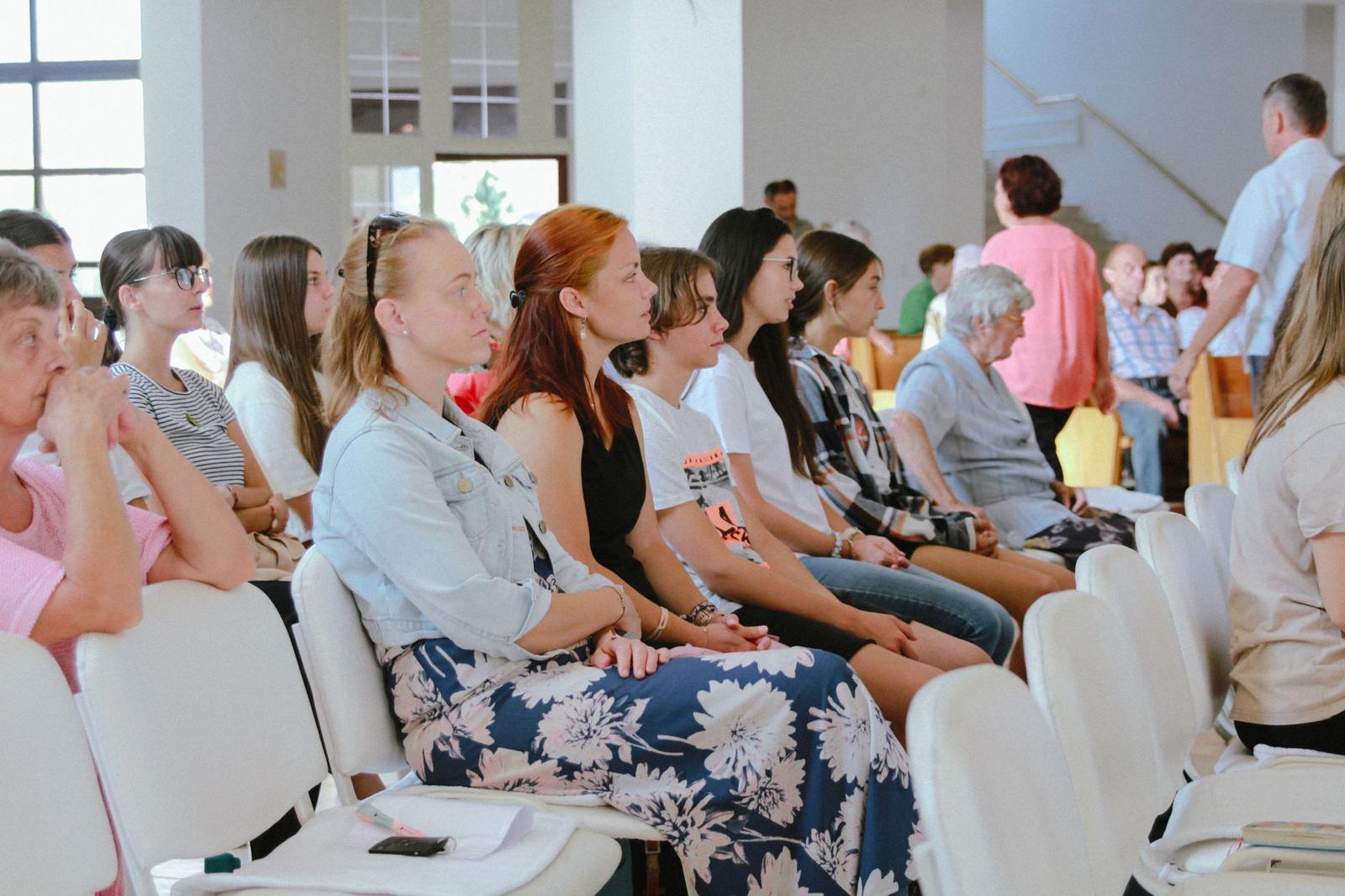
Motivation matters too. The same university pages say that local communities of civic hackers are building open-source applications that help city governments be more open, efficient and connected to their citizens. That purpose separates civic events from commercial ones. The sponsor is the public interest, and the output is meant to be reusable by other places facing the same problem.
Open data and the national civic hacking movement
Many civic events grew out of the open data movement, in which governments publish datasets that anyone can use. A White House blog post written in mid-2014 by Los Angeles Mayor Eric Garcetti and a federal technology adviser reported that for the second year in a row, civic hackers, mayors and officials had taken part in a national day of action. According to that post, 123 events were held in 103 cities in 13 countries across the world. The Opensource.com article had earlier given the dates of that edition as May 31 to June 1, 2014.
The same post shows what a city can get out of it. It said that at a Hack for LA event, the post’s authors met with over 400 Los Angeleno civic hackers who were building tools on newly released city data, including data sets on permits issued and incidence of traffic collisions. The federal government joined in as well: the post says the White House hosted its own hackathon to improve its petitions platform. These details are dated to 2014, so treat them as history, not as a current event calendar.
The lesson for any city is that data release and civic hacking reinforce each other. Published data gives volunteers material to work with, and volunteer projects show officials which datasets people actually find useful. A city that publishes nothing gives hackers little to build on, which is why many hosts focus their challenge on a theme and supply a short list of resources before the weekend.
A city case study: Elyria, Ohio, in 2021
A well-documented small-city example comes from Elyria, Ohio. A news item from Case Western Reserve University reported that the city planned to collaborate with the university and several partners on its first hack-a-thon, and that those interested in taking part did not need to be from Elyria to participate. The university’s xLab later stated that the event was held on October 22-24, 2021.
The City of Elyria’s own announcement of the results lists who took part and what they worked on. It says that residents of Elyria, students, business owners and professionals joined together for a working conference and developed solutions for community-wide problems. The topics ranged from community violence and crime prevention to parks and green space development, entrepreneurship and small business assistance, job training, tourism, and childcare and early learning.
The results reached beyond the weekend. The university reported that the winning ideas included All Paws on Deck, Winter Market and Digital-E Study Hall, and that Kitchen Incubator was chosen for services at the Veale Institute for Entrepreneurship at Case Western Reserve University. The city also noted that participants could pursue American Rescue Plan Act funding for their concepts, subject to grant restrictions and requirements. That pairing of a competition with a route into incubation or public funding is one of the more useful design choices a host can copy.
What makes a civic hackathon useful
Reading across these examples, a few design choices separate events that produce lasting work from those that produce only a photo opportunity.
- A named public problem. Elyria published a list of themes before its 2021 weekend. A focused brief gives teams something specific to respond to.
- People who hold the problem. City staff, residents and local business owners can tell a team whether an idea fits real constraints.
- A route onward. Incubator referrals and grant guidance, as in Elyria, give promising concepts somewhere to go on Monday.
- Open materials. Open data and open-source code let other places reuse what was built.
Communication is the other half. Judges and city staff see many ideas in a short time, and a clear demo helps a team stand out. The guide to the hackathon pitch covers how to structure a short demo. Civic events also overlap with themed formats elsewhere on this site, such as the energy hackathon, where community projects tackle local power and renewable questions.
Risks and limits to keep in mind
Civic hackathons are not a substitute for ongoing public work. A weekend prototype is a starting point, and it can stall if no one owns it afterwards. Hosts and teams who want an idea to survive usually agree early on who will maintain it, where the code will live, and which city department is the contact.
Data handling needs care as well. Civic projects often touch information about residents, and a prototype that collects personal data should be designed with privacy in mind from the first sketch. Readers building such a tool should check the rules that apply in their own jurisdiction and, where needed, ask a qualified lawyer. Reports of past events are mostly written by the hosts and partners themselves, so they describe intent and outcomes as the host chose to present them.
Frequently asked questions
Do I need to be a programmer to join a civic hackathon?
No. The San Francisco State pages list designers, educators, students, civil servants and artists alongside engineers, and say anybody willing to collaborate can take part.
Do participants have to live in the host city?
Not always. Case Western Reserve University’s news item on the Elyria event said that those interested did not need to be from Elyria to participate. Rules differ by event, so check each host’s own page.
What is the difference between a civic hackathon and an ordinary one?
An ordinary hackathon may serve any theme, including commercial products. A civic one focuses on shared public problems and typically relies on open data, local knowledge and public-interest outcomes.
Does this site run or take entries for civic hackathons?
No. This is an independent editorial guide. It does not organise events, take registrations or handle entries, and it is not affiliated with any city, university or sponsor mentioned here.